


What is a Pediatric Dentist?
We provide comprehensive dental care for children of all ages at all of our locations, including IV sedation when appropriate. Our Magicland offices are uniquely designed with young children in mind, featuring vibrant jungle-themed decor, large TV screens, in-office theaters, and other kid-friendly amenities—all aimed at creating a fun and positive dental experience.
The Importance of Regular Visits for Kids
A children’s dentist understands how to manage a child’s behavior while at the dentist in order to treat teeth that aren’t fully formed and keep baby teeth healthy. Often, dental issues treated in childhood can prevent or reduce more serious problems later on.
Preventative dentistry promotes oral health through regular check-ups, cleanings, and preventive measures like fluoride treatments and dental sealants, addressing minor issues early on and reducing the risk of cavities and gum disease. Preventative dentistry emphasizes good oral hygiene habits like brushing, flossing, and using mouthwash, along with regular dental visits, to reduce the risk of dental problems, preserve natural teeth, and promote overall well-being.
A lot of kids have dental anxiety, and in some cases it prevents them from visiting the dentist at all or getting all of the treatment they need. For kids needing more extensive treatment or who have greater anxiety, we offer IV sedation dentistry under the care of licensed dental anesthesiologists.
Checkups and Exams
Regular pediatric dental checkups and exams are vital for maintaining your child’s dental health
- General cleaning: Your child’s dentist will use special cleaning tools to clean the surfaces of the teeth which includes removing plaque and tartar.
- Exam: The dentist will thoroughly inspect your child’s teeth, gums, neck and head. He or she will examine the development of your child’s teeth looking for signs of decay, crowding of teeth, gum disease and other child-specific dental problems.
- X-ray: This imaging technology allows the dentist to see what’s going on beneath the surface of your child’s teeth and gums. For added safety, we utilize digital X-rays that lower the radiation required by 75%.
- Dietary consultation: We will provide recommendations regarding diet and nutrition that will promote long-term dental health.
Preventative Dental Care
It’s important to establish good dental habits at a young age to prevent and reduce dental problems in adulthood.
- Good oral hygiene: At home, regular brushing and flossing are important steps for maintaining pediatric oral health. Take the lead in cleaning your child’s teeth. Then, when your child is old enough, provide supervision to ensure safe and effective hygiene.
- Baby bottle tooth decay: Avoid putting your child to bed or down for a nap with a sugary beverage in his or her bottle. This bathes the child’s teeth in sugar leading to a production of acids that cause decay.
- Mouth guard: Children who are active in sports and other recreation activities should get in the habit of wearing a mouth guard to protect their teeth and gums. Your dentist can create one that’s specially designed to fit your child’s mouth.
Early Braces and Aligners for Kids
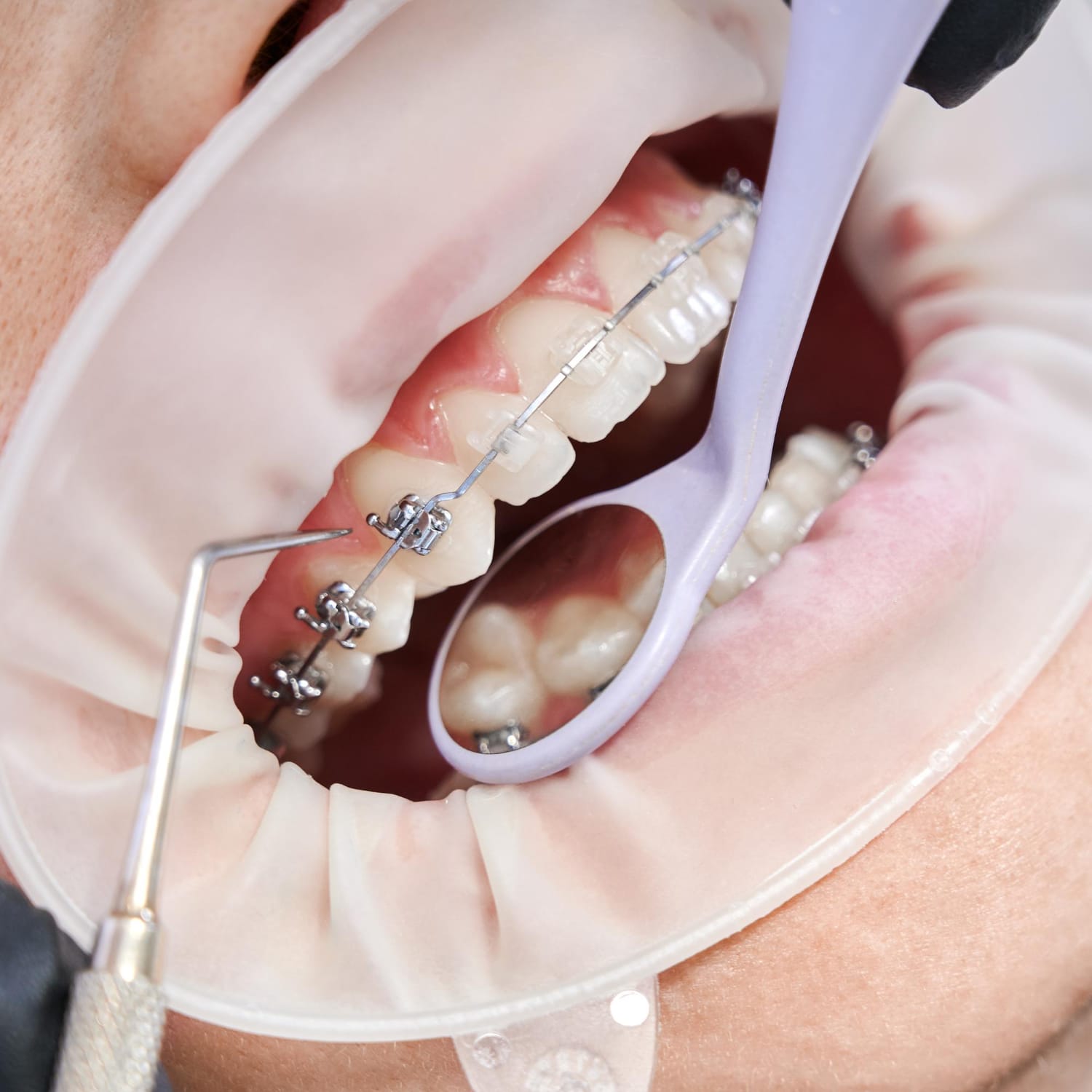
Braces and clear aligners apply mild, constant pressure to gradually move and straighten teeth, even at childhood. Early intervention with appropriate orthodontic care can be of great benefit later on.
- Early orthodontic care: The need for orthodontic treatment should be considered as early as age seven. Early treatment with braces and aligners can prevent or reduce serious problems involving your child's jaw, bite and teeth.
- Clear aligners: Clear aligners are a popular type of orthodontic treatment since they are nearly invisible and have little impact on daily life. This can help your child's to maintain his or her self-confidence.
- Clear braces: Clear braces are made of a clear, durable ceramic material that blends in with your child's natural smile.
- Retainers: Following the removal of your child's braces, he or she should wear a retainer regularly to prevent the teeth from shifting.
Other Pediatric Oral Treatment
Your child’s dentist offers a variety of other pediatric oral treatments to promote healthy teeth and gums including:
- Dental fillings: Dental cavities are the most common chronic disease in children and adolescents. If your child develops a cavity, the pediatric dentist will repair it with a permanent filling.
- Fluoride treatments: Topical fluoride treatments can help strengthen tooth enamel. These may be necessary if there’s not enough fluoride in your family’s water supply.
- Dental sealants: Sealants are designed to fill in deep crevices on the surface of the teeth to prevent the collection of food particles and eventual tooth decay. Dental sealants are fast, easy and painless.
First Pediatric Dental Care Visit
We know how important it is that children have a positive first impression of visiting the dentist. With dedication and patience, our dentists take extra time to ensure the comfort and contentment of your child.
When Does Your Child Need Their First Visit
Children should start seeing a dentist within their first year of life. This should ideally occur when his or her first tooth appears.
What to Expect
Upon arrival at one of our Magicland offices, you’ll notice that our office features a children’s area specially created for fun. The first dental appointment is specially designed to help your child get comfortable with the dentist and to provide educational information about pediatric dental care. Our dentists will explain everything to your child in words that are easily understood.
During the visit, the dentist will check your child’s teeth and gums. Your child will also receive a cleaning, counseling, and even fluoride, sealants and space maintainers if needed.
What to Bring
Be sure to bring the following items to your child’s first pediatric dental care visit:
- Identification and dental insurance information
- A list of current medications
- A detailed medical history
- Payment to cover co-pays or children’s dental services not covered by your insurance
Preparing Your Child
Help your child understand why visiting the dentist is important for maintaining overall health. Try to get them excited about the experience. It may be helpful to schedule a morning appointment when your child is likely to be alert and cooperative.
Pediatric Dental Care at West Coast Dental and Magicland Children's Dental
At West Coast Dental and Magicland Children’s Dental, we offer a full range of children’s dental services to protect the health of your child’s smile.
Certified Pediatric Dentists and Experienced General Dentists
Our certified pediatric dentists and experienced general dentists are trained to care for your child’s dental care needs. Book an appointment today at a Magicland or West Coast Dental office near you.
Same-Day Appointments
For your convenience, we offer same-day appointments in case you have an emergency situation that requires prompt care. Our team will take care of your child’s teeth as quickly and safely as possible.
Frequently asked questions (FAQs)
Use a small, soft-bristled toothbrush to clean your baby’s teeth at least once per day, preferably at bedtime.
Pediatric dentists, also called pedodontists, are specially trained to care for your child’s teeth and mouth. With an additional two to three years of training in children’s dentistry, pedodontists have the experience to safeguard your child’s dental health from infancy through adolescence. Pediatric dentists also help children feel at ease and enthusiastic about caring for their teeth at home.
Of course, baby teeth affect how your child talks, chews and smiles. Baby teeth also help pave the way for adult teeth to emerge through the gums.
To help minimize pain and discomfort, use warm water to rinse the inflamed area of your child’s mouth and give your child oral acetaminophen. Then, make an appointment with your child’s pediatric dentist as soon as possible.
These habits are likely only to cause a problem for your child’s teeth if they continue past age 3. If needed, your child’s pediatric dentist can recommend a mouth appliance or distasteful medicine to apply to the thumb to discourage thumb-sucking.
Don’t put your child to sleep while nursing or give them a bedtime bottle that contains anything other than water. Keep up with your child’s schedule of regular dental checkups and cleanings, and clean your child’s teeth properly.
Most children should have a dental checkup and cleaning every six months. Your child’s pediatric dentist will make a recommendation tailored to his or her individual dental needs.
Start using toothpaste to brush your baby’s teeth as soon as they come through the gums. Apply a tiny smear (about the size of a grain of rice) of fluoride toothpaste to the toothbrush to clean your baby’s teeth twice each day. Older children (between ages 3 and 6) can start using a pea-sized amount of toothpaste to brush teeth.
Promoting healthy food choices, especially fruits and vegetables, is one of the best things you can do for your child’s dental health. Limit sugars, starches and carbohydrates to prevent tooth decay. Beware of how long sticky, sugary foods are allowed to remain on your child’s teeth before saliva or the toothbrush washes them away.



