


What is Phase I Orthodontic Treatment?
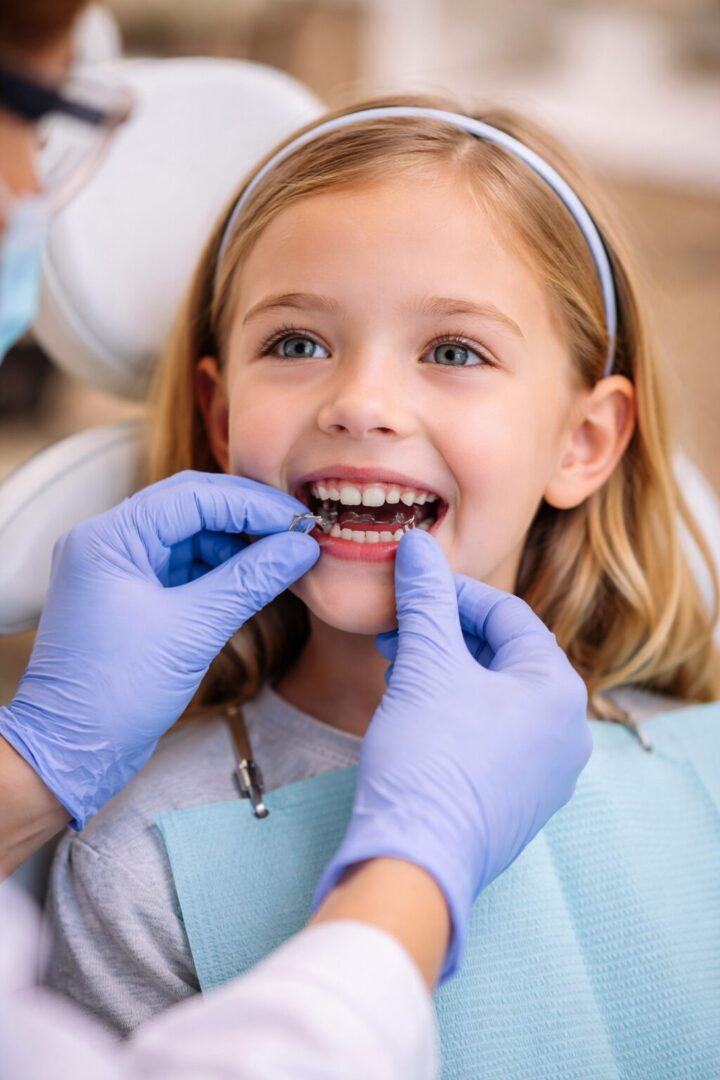
Phase 1 orthodontic treatment—also called early interceptive treatment—is designed for children, typically between the ages of 6 and 10, while some baby teeth are still present.
Phase I Treatment
The goal is not just to straighten teeth, but to guide proper jaw development and create space for permanent teeth. During this stage, orthodontists focus on correcting developing issues such as narrow dental arches, bite problems, or harmful oral habits. Treatment may include expanders, partial braces, or other appliances that gently influence growth.
Phase II Treatment
Phase 1 is often followed by a resting period, and later, Phase 2 treatment (full braces or aligners) once all permanent teeth have erupted.
When is Phase I Orthodontic Treatment Needed?
Not every child requires Phase 1 orthodontics, but early evaluation (ADA recommendation is no later than age 7), helps identify potential issues before they become more complex.
Your child may benefit from Phase 1 treatment if they show signs such as:
- Crowded or blocked-out teeth
- Early or late loss of baby teeth
- Crossbite, underbite, or overbite
- Narrow upper jaw or improper jaw alignment
- Difficulty chewing or biting
- Thumb-sucking or tongue-thrusting habits
- Mouth breathing or speech concerns
Early intervention allows orthodontists to correct problems at their source, often preventing the need for more invasive treatments later.
Benefits of Phase I Treatment
Phase 1 orthodontics provides powerful long-term advantages by addressing issues early in a child’s development. In many cases, Phase 1 treatment can shorten or simplify Phase 2 treatment, saving time and reducing overall costs. Benefits include:
Guides Jaw Growth
Helps ensure the upper and lower jaws develop in proper alignment.
Creates Space for Permanent Teeth
Reduces crowding and lowers the likelihood of extractions later.
Prevents More Serious Problems
Intercepts issues before they worsen, simplifying future treatment.
Improves Facial Symmetry
Supports balanced facial development during critical growth years.
Stabilizes Bite Alignment
Helps ensure your bite remains balanced and functional.
Enhances Oral Function
Improves chewing, speech, and breathing patterns.
Boosts Confidence Early
Children benefit from improved appearance and comfort during formative years.
Why Parents Choose West Coast Dental
West Coast Dental provides a child-focused, comprehensive approach to early orthodontic care. Here’s what sets us apart:
Pediatric Dental Expertise
Our team is experienced in identifying and treating developmental orthodontic issues in children.
Kid-Friendly Environment
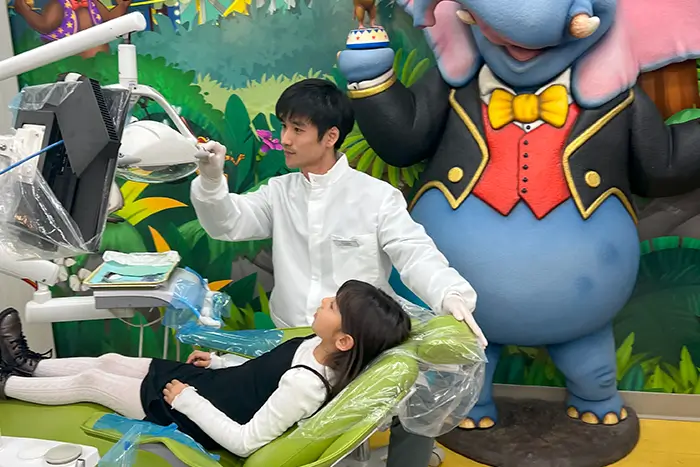
We create a welcoming, stress-free experience to help children feel comfortable and confident
Advanced Technology
Modern diagnostic tools allow for precise, personalized treatment planning.
Continuity of Care
You get a seamless transition from Phase 1 to Phase 2 treatment when needed. We provide comprehensive orthodontic dental services, including cleanings, exams, and cosmetic care, so you can maintain a healthy, beautiful smile all in one place.
Convenient Locations with Flexible Scheduling
With multiple locations and flexible scheduling including evenings and weekends, it’s easy to stay consistent with your follow-up care and maintenance visits.
Affordable Care Options Including Insurance and Payment Plans
We offer competitive pricing and work with most insurance plans including MediCal Dental to make retainers and maintenance care accessible and stress-free.
Frequently asked questions (FAQs)
The American Association of Orthodontists recommends an evaluation by age 7 to detect early issues.
No. Some children can wait until all permanent teeth come in, but early evaluation ensures nothing is missed.
Typically 9–18 months, depending on the child’s needs and growth patterns.
Yes. Phase 1 prepares the mouth, while Phase 2 focuses on final alignment and bite correction.
Most children experience only mild discomfort when appliances are first adjusted, which subsides quickly.
Common options include palatal expanders, space maintainers, partial braces, and habit-correcting devices.



