


What is a Dental Filling?
A dental filling is a treatment used to restore a tooth damaged by cavities, decay, or minor fractures. During the procedure, your dentist removes the decayed portion of the tooth and fills the space with a durable material — such as composite resin, porcelain, or amalgam—to rebuild its shape and strength.
Why are Dental Fillings Needed?
Fillings help prevent further decay, restore normal chewing function, and maintain your tooth’s natural appearance. Do not delay getting fillings when needed. Neglecting a cavity can cause the decay to spread, which can result in the eventual loss of the tooth.
Signs that You Might Need a Filling
The only way to know for sure that you have a cavity is by going to the dentist. There are often signs you can notice that you might need a dental filling. However, here are some common warning signs of cavities:
- Tooth sensitivity or pain
- A visible hole in a tooth
- A jagged feeling in the tooth when you run your tongue over it
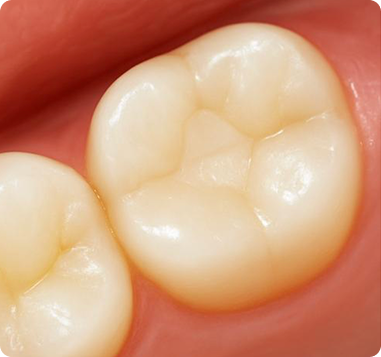
Composite Fillings
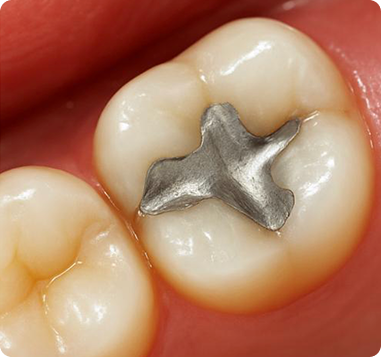
Amalgam Fillings
Benefits of Composite Fillings
A dental filling is a treatment used to restore a tooth damaged by cavities, decay, or minor fractures. During the procedure, your dentist removes the decayed portion of the tooth and fills the space with a durable material — such as composite resin, porcelain, or amalgam—to rebuild its shape and strength.
Natural Appearance
Composite fillings match your natural tooth’s color, making the filling virtually undetectable. They are excellent for use toward the front of your mouth, where a filling might show when you smile. The composite resin can also be used to repair small chips and cracks in teeth.
Long-Lasting
Composite resin bonds directly to the tooth surface, which creates a secure attachment to the tooth.
What to Expect During Your Fillings
The dentist will likely numb the area to make sure the procedure is painless. The numbness will wear off within a few hours after getting the filling.
Your dentist will use a special drill to get rid of the decayed portion of your tooth.
Next, your dentist will clean the area of any debris.
Finally, your dentist will place the filling. We will polish the filling and ask you to bite down to ensure it is comfortable and not too high.
Once the filling is adjusted, you are free to go about your day. You might feel some sensitivity in the days immediately after getting the filling. This is common and usually normalizes on its own.

Maintaining Your Fillings
After getting a filling, it is important to get regular check-ups to make sure the filling is still in good shape. Dental fillings will wear out over time. Every time you chew, you place pressure on the filling which can eventually cause it to crack, fall out or leak. Some signs that a filling needs to be repaired or replaced include:
Wear and Tear
Your dentist can identify worn-out fillings at your regular dental exams. When a filling starts to show signs of wear, it’s a good idea to replace it.
Change of Color
If you notice that your tooth-colored filling is becoming darker or yellowed, it’s a sign that your filling needs to be replaced. Consult with your dentist to know for certain if it’s time to replace it.
Pain or Sensitivity at the Site
Fillings can begin to leak after time, which means that bacteria can get into your tooth beneath the filling and cause more decay under the existing filling. If not treated, it can cause more advanced treatment like a root canal.
Frequently asked questions (FAQs)
When there is a spot of decay on the tooth structure, a tooth filling will plug the hole in the tooth and prevent further decay. A dental filling can help prevent further damage to the tooth.
Getting a dental filling can vary anywhere from 20 minutes to an hour or more. A lot will depend on the size and location of the cavity. The bigger the cavity, the longer the procedure will likely take.
Composite fillings (or tooth-colored fillings) can last up to 10 years with proper care and good oral hygiene. Metal (or amalgam fillings) last a bit longer, and most people can expect their amalgam fillings to last for 15 or even 20 years. With either type of filling, it’s crucial that you avoid damaging habits such as grinding your teeth, chewing on ice or biting your fingernails.
The cost of a dental filling varies depending on the extent of the tooth decay and the type of filling you choose. According to CareCredit, tooth filling costs range from $50 to $450.
Both types of dental fillings — amalgam and composite tooth fillings — are safe. However, many people are not comfortable with amalgam fillings because mercury is in them. Composite resin fillings contain no metal and are made of a ceramic and plastic compound.
The best way to find out if you need a tooth filling is to visit your dentist. When cavities are very small, they may not be visible to the naked eye. So, your dentist will usually recommend periodic dental x-rays to detect tooth decay in its earliest stages. If you have been experiencing tooth pain or sensitivity, this could be a sign that you have a cavity. When cavities are large enough, you may be able to see the hole in the tooth or feel the hole with your tongue.
It’s normal to experience some sensitivity in the days following the tooth filling procedure. In most cases, this normalizes on its own. If you continue to have tooth sensitivity that is not resolving on its own, give us a call.
You should avoid eating and drinking for about an hour after filling. It’s a good idea to avoid chewing on the filling for 24 hours after the procedure — particularly with hard foods.
If your filling falls out, there is no need to panic, but you should take care of it as soon as possible. Call your dentist and let him or her know what happened. If it happens during normal office hours, they may be able to see you that same day to replace the filling. When a large filling falls out, you might need a crown to replace it. Often, with very large fillings, too much of the tooth structure has already been removed. So, a crown is the best way to protect the remaining tooth structure.



