


What is a Dental Cleaning
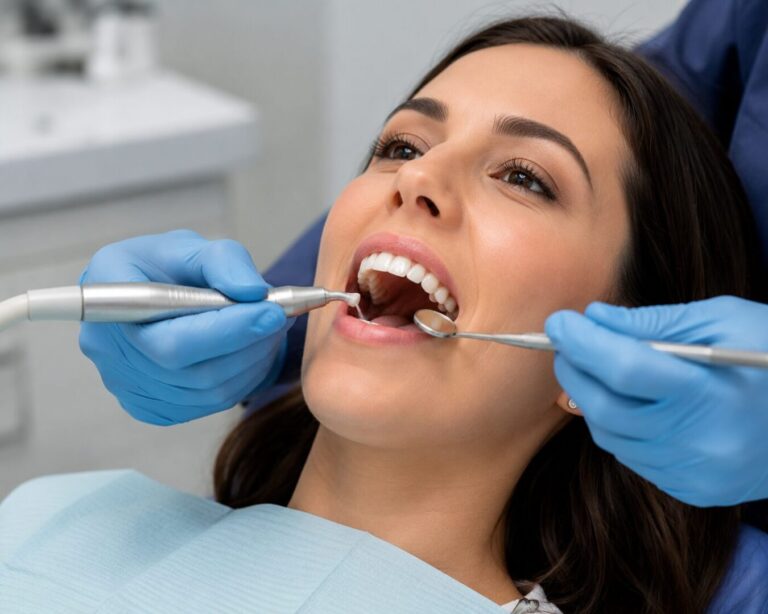
A dental cleaning—also called a “prophylaxis” or “prophy”—is a routine preventive procedure performed by a dental hygienist or dentist. It removes plaque, tartar (hardened plaque), and surface stains from your teeth to help keep your mouth healthy and reduce the risk of cavities and gum disease.
A typical dental cleaning appointment includes:
1
Oral Exam
A quick check of your teeth and gums to look for signs of cavities, gum inflammation, or other concerns.
2
Plaque & Tartar Removal (Scaling)
Special tools—often including an ultrasonic scaler—are used to gently remove buildup above and below the gumline.
3
Cleaning Between Teeth
Flossing removes any remaining debris and checks for tight or problem areas.
4
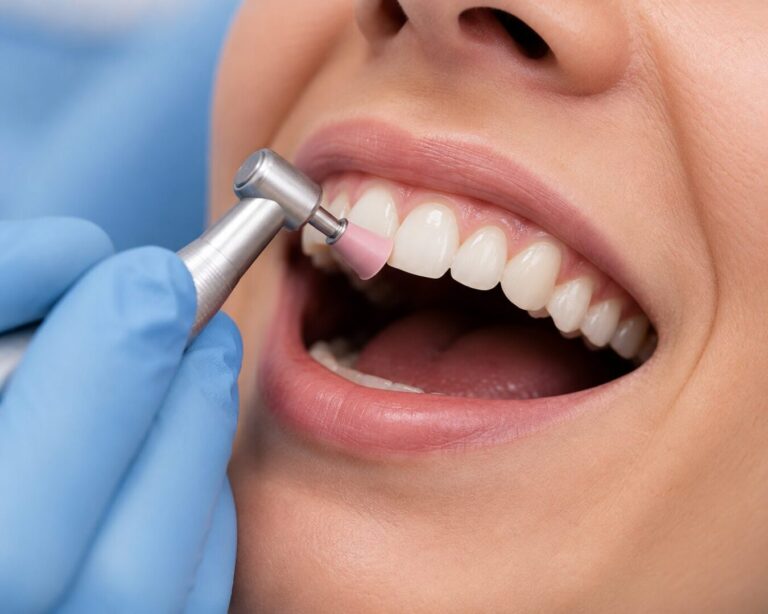
Polishing
A mildly abrasive paste is used to polish teeth and remove surface stains, leaving them smooth and shiny.
5
Fluoride Treatment (optional)
A fluoride varnish or gel may be applied to strengthen enamel and help prevent cavities.
Regular Dental Cleanings are Critical to Oral Health
The American Dental Association (ADA) recommends getting a professional dental cleaning at least once every six months unless otherwise specified by your dentist. Regular dental cleanings provide important benefits including:
- Prevents cavities by removing plaque before it damages enamel
- Reduces risk of gum disease (gingivitis and periodontitis)
- Keeps your breath fresh by eliminating bacteria buildup
- Removes stains from coffee, tea, and tobacco for a brighter smile
- Supports overall health, as oral health is linked to conditions like heart disease and diabetes
- Catches problems early, saving time, discomfort, and cost on future treatments
Types of Dental Cleanings
Regular teeth cleaning is a great way to keep your teeth and gums healthy and keep your smile sparkling. There are four main types of teeth cleaning. Let’s explore them.

Prophylaxis (Regular Cleaning)
A regular dental cleaning (often called a prophylaxis or “prophy”) is recommended for patients who have generally healthy gums and no signs of advanced gum disease. This is the most common type of dental cleaning.

Scaling and Root Planing (Deep Cleaning)
This is a slightly more in-depth procedure used to remove bacteria and tartar buildup below the gumline and smoothing the roots to promote healing. This is usually carried out when someone has gum disease (periodontal disease). It may take a few visits before it is completed.
Periodontal Maintenance
This is regular maintenance for anyone who has periodontal disease. The treatment is usually carried out over a specific period to keep infection under control and prevent recurrence (usually every three months).

Debridement
This is a more intensive cleaning used when there is heavy plaque and tarter buildup that needs to be removed before a full exam can be performed. This can sometimes occur if you haven’t seen the dentist in a long time.
Your dentist at West Coast Dental will recommend the level of cleaning best suited to your oral health needs.
Why Choose West Coast Dental and Magicland Children's Dental for Dental Cleanings
Choosing West Coast Dental and Magicland Children’s Dental for your dental cleanings means getting care that’s convenient, thorough, and focused on your long-term oral health.
- Experienced, friendly hygienists focused on gentle, thorough care
- Modern technology for more comfortable and efficient cleaning
- Convenient locations and flexible scheduling including weekends and evenings
- Affordable care options including insurance and payment plans
- Family-friendly care for patients of all ages
- Focus on prevention, helping you avoid costly dental problems later

Frequently asked questions (FAQs)
Most patients should get a professional dental cleaning every 6 months. However, your dentist may recommend more frequent visits if you have gum disease or other oral health concerns.
Dental cleanings are usually painless. You may feel slight pressure or sensitivity, especially if there is significant buildup or gum inflammation, but most patients find the process comfortable.
A typical dental cleaning appointment takes about 30 minutes, depending on the amount of plaque and tartar buildup and whether X-rays or an exam is included.
A regular cleaning focuses on removing plaque and tartar from above the gumline, while a deep cleaning (scaling and root planing) treats gum disease by cleaning below the gumline and smoothing tooth roots.
Yes, you can usually eat right after your cleaning. If you received a fluoride treatment, you may be asked to wait 30 minutes before eating or drinking.
Even with great home care, plaque can harden into tartar, which cannot be removed by brushing alone. Regular cleanings help prevent cavities, gum disease, and other oral health issues while keeping your smile looking its best.



