


What is a Dental Crown?
Dental crowns are custom-made caps that fit over damaged, weakened, or cosmetically imperfect teeth. They restore the tooth’s natural shape, size, and function while protecting it from further damage.
With today’s advanced materials and digital design, crowns can blend seamlessly with your natural
teeth for a beautiful, functional smile.
Benefits of Dental Crowns
Crowns offer a variety of clinical and cosmetic benefits including:
- Protects weakened teeth from cracking or breaking.
- Restores full chewing function and bite balance.
- Prevents damage after root canal or large fillings.
- Corrects discoloration and restores uniform color
Do I need a crown?
There are several reasons that a crown might be a good treatment option
- Sign1. Your tooth is weakened or broken.
- Sign 2. Your tooth is heavily filled from prior cavities.
- Sign 3. Your tooth has many cracks or is eroded, usually due to grinding your teeth.
Types of Dental Crowns
Dental crowns come in metal and porcelain materials. Most patients choose porcelain because they look like natural teeth.
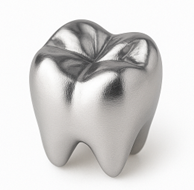
All-Metal Crowns
Extremely durable, usually made of gold or metal alloys. They can be a good option for back teeth (molars).
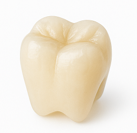
All-Porcelain Crowns
A great cosmetic choice for front teeth. Unlike PFM, there will be no visible metal at the gum line.
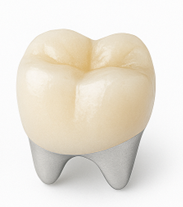
Porcelain-Fused-to-Metal (PFM) Crowns
Strong and natural-looking, offering both durability and beauty.
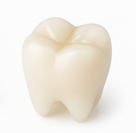
Zirconia Crowns
Natural look like porcelain with even more durability, idea for patients who grind their teeth.
How Crowns Are Installed
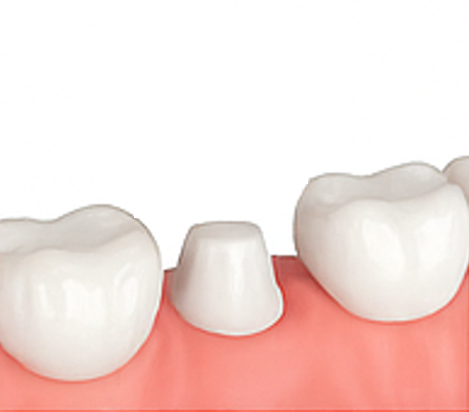
Step 1: Tooth Shaping & Impression
We reshape the tooth, take an impression of the tooth, and cover it with a temporary crown.
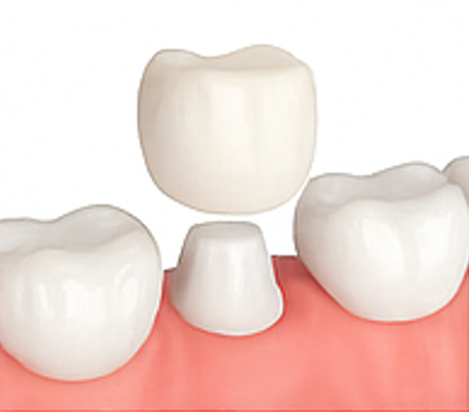
Step 2: Attach Permanent Crown
The lab creates a permanent which exactly matches the shape of your tooth which is cemented in place.
Getting Your Dental Crowns at West Coast Dental and Magicland Children's Dental
Here at West Coast Dental and Magicland Children’s Dental, our highly-skilled dentists can advise you on the best course of treatment and which type of crown will suit your needs. Set up an appointment today.
- Same-day, weekend, and evening appointments available
- We accept most insurances and Medi-Cal Dental
- Monthly payment options that work for your budget

Frequently asked questions (FAQs)
The procedure will take a minimum of two visits. The first where x-rays are taken, the tooth is prepared for the crown and impressions of your teeth are taken. A temporary crown will be made for you. The second appointment is usually more than a week later. The crown will be fitted at that time.
On average, crowns can last anywhere between five and 15 years. Longevity relies on good oral hygiene, wear and tear and general mouth habits.
Crowns are made of different materials, generally metals, porcelain, or Zirconia.
Depending on the type of crown, they can cost from $800 to $1,800 per crown. Usually, part or all the cost is covered by insurance.
All crowns are safe. There has been extensive research and testing into all crowns to ensure this.
Your dentist will advise you if you need a crown. However, some indicators may include a broken or weakened tooth or a tooth that’s been heavily filled.
Sensitivity after a crown procedure can happen and should subside within a few days. If not, you need to contact your dentist. Your dentist with minor adjustments on the crown can help you with the sensitivity.
Ideally, you should wait at least 30 minutes after the procedure to allow the cement to dry. Avoid very hard and sticky foods for at least 24 hours, and chew on the opposite side of your mouth, where possible.



