


What to Expect at a Dental Exam
At your routine checkup, your dentist will examine your mouth, diagnose your overall oral health, carry out any necessary dental cleaning and take x-rays to get a full picture of your overall oral health. Routine checks can also highlight any other general health issues that can be referred to a doctor. Dental exams typically involve the following steps.
1
Medical and Dental History Review
Your dentist will review your health history, medications, and any concerns like sensitivity, pain, or cosmetic goals.
2
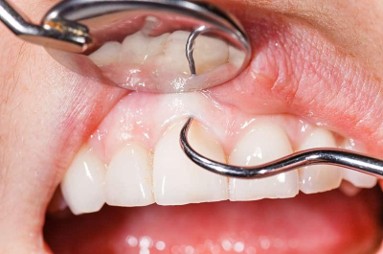
Teeth and Gum Evaluation
Your dentist will carefully check your teeth for cavities, cracks, or wear, and assess your gums for signs of gingivitis or periodontal disease.
3
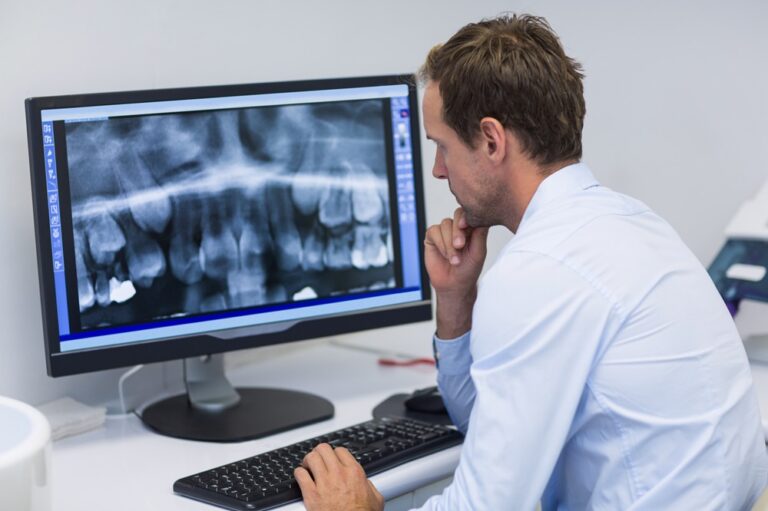
Digital X-Rays
X-rays help detect issues that aren’t visible to the eye, such as decay between teeth, bone loss, or impacted teeth.
4
Oral Cancer Screening
Your dentist will examine your lips, tongue, throat, and soft tissues for any unusual changes or early warning signs.
5
Personalized Recommendations
You’ll receive guidance on brushing, flossing, and any treatments you may need—tailored to your oral health.
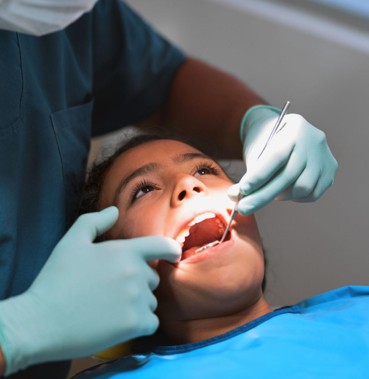
Professional Teeth Cleaning
Dental cleanings are not just about improving the cosmetic appearance of your smile. Regular teeth cleanings are important to your overall health.
- Improve cardiovascular health
- Maintain tooth and gum health
- Treat infections
Benefits of Regular Dental Exams

Early Detection of Problems
Cavities, gum disease, and other issues are easier—and less expensive—to treat when caught early.

Prevention of Serious Conditions
Routine exams help prevent infections, tooth loss, and even detect signs of systemic health issues.

Improved Oral Hygiene
Professional cleanings and expert advice help you maintain healthier teeth and gums at home.

Cost Savings Over Time
Preventive care reduces the need for more complex and costly procedures later.

Confident, Healthy Smile
Regular visits keep your smile looking its best and support overall wellness.
What Are Dental X-Rays
How Dental X-Rays Work
Dental X-rays are quick, safe imaging tools that allow your dentist to see areas of your teeth and jaw that aren’t visible during a regular exam—such as between teeth, under the gums, and inside the bone. During the process, you’ll be asked to bite gently on a small sensor while a machine captures images in just a few seconds. X-rays are painless and typically completed in minutes.
Benefits of Dental X-Rays
Dental X-Rays are an indispensable diagnostic tool in both dentistry and orthodontics. The benefits of dental x-rays include:
- Early detection of Infections
- Detecting bone loss
- Identifying impacted teeth
- Supports treatment planning for procedures like fillings, orthodontics, and implants
- Ensures more precise and effective care
Why Choose West Coast Dental and Magicland Children's Dental for Exams & X-Rays
Choosing West Coast Dental and Magicland Children’s Dental for your dental exams and X-rays means getting care that’s convenient, thorough, and focused on your long-term oral health:
- Comprehensive exams by an experienced treatment team
- Modern all-digital x-ray technology that reduces radiation and improves diagnostic precision
- Friendly service that prioritizes patient comfort
- Convenient service and flexible scheduling to fit busy lifestyles
- Clear, transparent treatment recommendations with no pressure
- Affordable care options including insurance and payment plans

Frequently asked questions (FAQs)
Most patients should have a dental exam every six months. Some patients, especially kids, may benefit from or need more frequent dental exams. X-rays are typically every six months, but your dentist may recommend them more or less often depending on your oral health, age, and risk for cavities or gum disease.
No, dental X-rays are quick and painless. You may be asked to bite down on a small tab or sensor, which can feel slightly uncomfortable for a moment, but the process is very easy.
Yes, dental X-rays are very safe. They use extremely low levels of radiation, and modern digital X-rays reduce exposure even further. Protective measures like lead aprons are always used.
Dental exams help detect problems early—often before you feel any symptoms. Your dentist can identify cavities, gum disease, oral cancer, and other issues in their earliest stages, making treatment easier and more affordable.
During a dental exam, your dentist will check your teeth, gums, bite, and overall oral health. This may include reviewing X-rays, screening for oral cancer, and discussing any concerns or treatment recommendations.
X-rays reveal areas beneath the surface, such as cavities between teeth, bone loss, impacted teeth, infections, and issues below the gumline—things that aren’t visible during a regular visual exam.
A dental exam can reveal more than just cavities and gum disease. Dentists may detect early signs of oral cancer, infections, bone loss, teeth grinding (bruxism), and issues with the jaw joint (TMJ). In some cases, symptoms in the mouth can also point to broader health conditions like diabetes, vitamin deficiencies, acid reflux, or even heart disease, making regular exams an important part of overall health care.



